
Willpower Isn’t the Answer. Support Is.
Nutrition counseling for anxiety, depression, ADHD, and burnout. Virtual sessions across Texas. Often covered by insurance.
Does This Sound Familiar?
You know food affects how you feel. You just haven’t found an approach that works when everything else is already hard.
Maybe your energy crashes in the middle of the afternoon. Or your brain feels foggy even after a full night of sleep. Some days you forget to eat until you’re starving. Other days you’re grazing all day and still don’t feel satisfied.
You’ve tried to “eat healthier.” You’ve tried to get more organized with meals. You’ve probably told yourself you just need more discipline.
But the truth is, when your brain is already dealing with anxiety, depression, ADHD, stress, or burnout, food can become one more thing that feels harder than it should.
When you go too long without eating, you feel it.
Shaky, irritable, suddenly overwhelmed.
You rely on caffeine to get through the afternoon.
You eat in ways that don’t actually help you feel better, and you know it, but you’re not sure what else to do.
If this sounds familiar, you’re not doing anything wrong. And if you’ve spent years trying to “do it right” with food, that history makes everything harder, not easier.
Your brain and body might just need a different kind of support.
Why Nutrition Matters for Mental Health
Your brain runs on the same fuel as the rest of your body.
When your eating patterns are inconsistent, your brain feels it. Blood sugar swings, missed meals, and long gaps without food can make mood, focus, and energy harder to stabilize.
This doesn’t mean food is the only factor in mental health. But it is one piece of the system that we can support in practical ways.
When nutrition is working with your brain instead of against it, people often notice steadier energy, fewer mood crashes, better focus, and less reliance on caffeine just to get through the afternoon.
There are several ways nutrition can support your brain.
Blood sugar stability, consistent nourishment, and a healthy gut-brain connection all play a role. None of it requires a perfect diet. It just requires patterns that are realistic enough to actually maintain.
And for many people, simply having a realistic plan for eating during busy or low-energy days reduces a surprising amount of daily stress. Nutrition counseling focuses on helping you build patterns that support your brain and fit into your real life.
What Working Together Looks Like
Nutrition counseling isn’t about following a strict meal plan or trying to be “perfect” with food.
Instead, we focus on understanding what’s happening in your day-to-day life and building strategies that support your brain and energy in realistic ways.
Most sessions follow a similar rhythm, though we always start with what’s actually going on for you.
1. Understand what’s going on
We start by talking about what you’re experiencing.
That might include things like energy crashes, difficulty focusing, appetite changes, digestive symptoms, sleep challenges, or patterns around meals and caffeine.
The goal is to understand the bigger picture of how food, daily routines, and mental health are interacting.
2. Identify the pressure points
Next, we look for patterns that might be making things harder than they need to be.
For example: Long gaps between meals, blood sugar swings, caffeine dependence, nothing available during a hard afternoon, eating patterns that shift with stress or sleep.
These are common. And once we can see them clearly, they’re much easier to address.
3. Build realistic systems
Instead of rigid rules, we focus on building flexible strategies that work in your real life.
This might include simple meal structures, backup food options for busy days, or small adjustments that help stabilize energy and mood.
The goal is to create systems that support your brain even when life is unpredictable.
Over time, these small shifts can make a meaningful difference in how your brain and body feel day to day.
To allow us to get to know each other, our first session will be approximately 90 minutes long, with remaining sessions lasting 30-60 minutes.
Most clients meet every two weeks, adjusting as things shift.
What Life Can Start to Feel Like
When nutrition starts working with your brain instead of against it, things often begin to feel a little easier.
Not perfect. Definitely not rigid. Just more stable and manageable.
Many people start to notice steadier energy throughout the day instead of big crashes between meals. Thinking tends to feel clearer. Focus comes a little easier. Now you can spend your energy on the things that matter.
Meals often start to feel more manageable, too. Instead of constantly trying to figure out what you should be eating, you may begin to have a few reliable patterns that support your mood and energy.
Over time, people often rely less on caffeine to get through the day and feel more regulated between meals. The constant second-guessing around food tends to quiet down, and eating is no longer a source of stress.
For many clients, the biggest shift isn’t just what they eat.
It’s the sense that nutrition no longer feels like another problem they have to solve. Instead, it becomes one of the tools that helps support their mood, energy, and day-to-day functioning.
Small changes can make a meaningful difference when they’re designed to work with your life instead of against it.
Who I Work With
Nutrition counseling can be helpful in many situations, but most of my clients come in because something about their mood, energy, or focus just isn’t working the way they want it to.
Many people I work with are dealing with anxiety, depression, ADHD, chronic stress, or burnout. Others are experiencing persistent fatigue, brain fog, or energy crashes that make daily life harder than it should be.
Some people come in after a doctor’s appointment that raised new concerns, a diabetes diagnosis, high cholesterol, GI symptoms, and they want to understand what nutrition actually means for their situation without being handed a rigid plan.
Most are managing a lot at once. Work, family, health, and a mental load that doesn’t quit.
If any of this sounds familiar, you’re likely in the right place.
Learn more about nutrition counseling services →
Insurance & Scheduling
Getting started is simpler than you might expect.
I provide virtual nutrition counseling for clients across Texas, which means you can meet from the comfort of your home, office, or wherever it’s easiest for you.
Many clients are able to use health insurance to cover nutrition counseling. After you schedule, my process includes an insurance check so you know what to expect before your first appointment.
Scheduling is simple. You can choose a time that works for you using the online scheduler, complete a few intake forms, and join your appointment through a secure telehealth platform.
Ready to get started? Choose a time that works for you.
Meet Your Dietitian
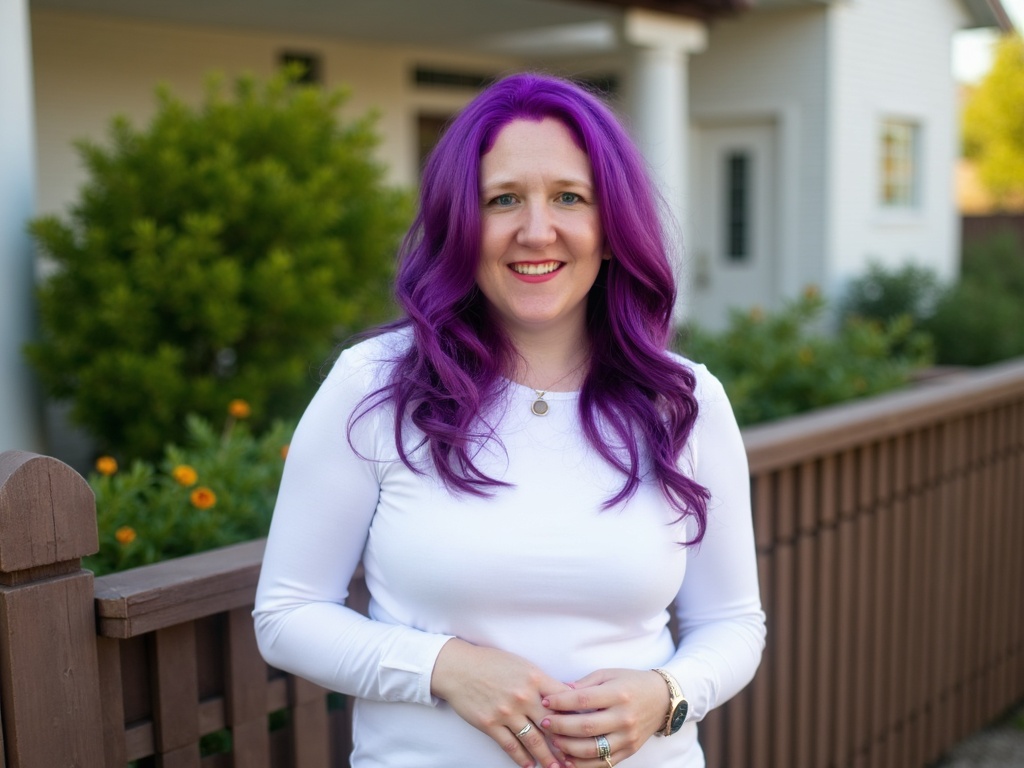
Hi, I’m Jennifer Hanes, MS, RDN, LD.
I’m a registered dietitian specializing in nutrition and mental health, specifically how eating patterns, daily routines, and energy regulation affect mood, focus, and day-to-day functioning.
Before starting my private practice, I worked in several behavioral health settings, including inpatient psychiatric care, residential addiction treatment, and outpatient programs. That experience shaped how I approach nutrition counseling today: practical, compassionate, and grounded in the reality that mental health and daily life are closely connected.
I started my private practice because I kept seeing how much nutrition was missing from mental health care, and how much of a difference it made when it wasn’t.
My goal is to help you build nutrition strategies that support your brain and fit into your real life.
Learn more about my background →
Professional Background
My work is grounded in both clinical training and real-world experience in behavioral health care.
I hold a Master’s degree in Dietetics and completed over 1,200 hours of supervised dietetic training before becoming a Registered Dietitian Nutritionist and Licensed Dietitian.
I’m also actively involved in the professional nutrition community and serve in a leadership role within the Behavioral Health Nutrition Dietetic Practice Group, part of the Academy of Nutrition and Dietetics. I also train other dietitians and mental health providers on integrating nutrition into behavioral health care.
Not Ready for Counseling Yet?
That’s completely okay.
If you’re still exploring how nutrition might affect your mood, focus, and energy, a small starting point can be helpful.
Download my Steady Mood & Energy Starter Guide, a short resource with simple meal and snack ideas that help provide more consistent fuel for your brain throughout the day.
It’s a practical place to start if you’re noticing energy crashes, brain fog, or feeling overwhelmed trying to figure out what to eat.
Learn More About Nutrition and Mental Health
If you’re curious about how nutrition connects with mood, energy, and brain function, the blog is a good place to start.
I regularly write about the practical side of mental health nutrition, how everyday eating patterns can influence focus, mood, stress, and energy, and how to make small changes that actually fit into real life.
You’ll find topics such as how caffeine can affect anxiety, the connection between diet and serotonin, building a more supportive relationship with food, and the basics of nutrition for mental health.
If you’d like to explore these ideas further, you can start with a few of the most popular articles below.
Featured Articles

Serotonin and Diet: Does Nutrition Really Affect your Mood?
Why Are Carbs Comfort Food?


A Comprehensive Guide to Mindful Eating
Ready to Take the Next Step?
If you’re curious about how nutrition might support your mental health, you don’t have to figure it out on your own.
Nutrition counseling can help you understand the patterns affecting your mood, energy, and focus, and build realistic strategies that fit into your daily life.
If you’re ready to get started, you can schedule an appointment at a time that works for you.
If you’d like to understand your options first, you can check your insurance coverage and see whether nutrition counseling is included in your plan.
And if you’re not quite ready for counseling yet, you can join the newsletter to receive practical, judgment-free insights on eating, mood, and energy, delivered to your inbox a few times a month.
Take a Course → Coming Soon!